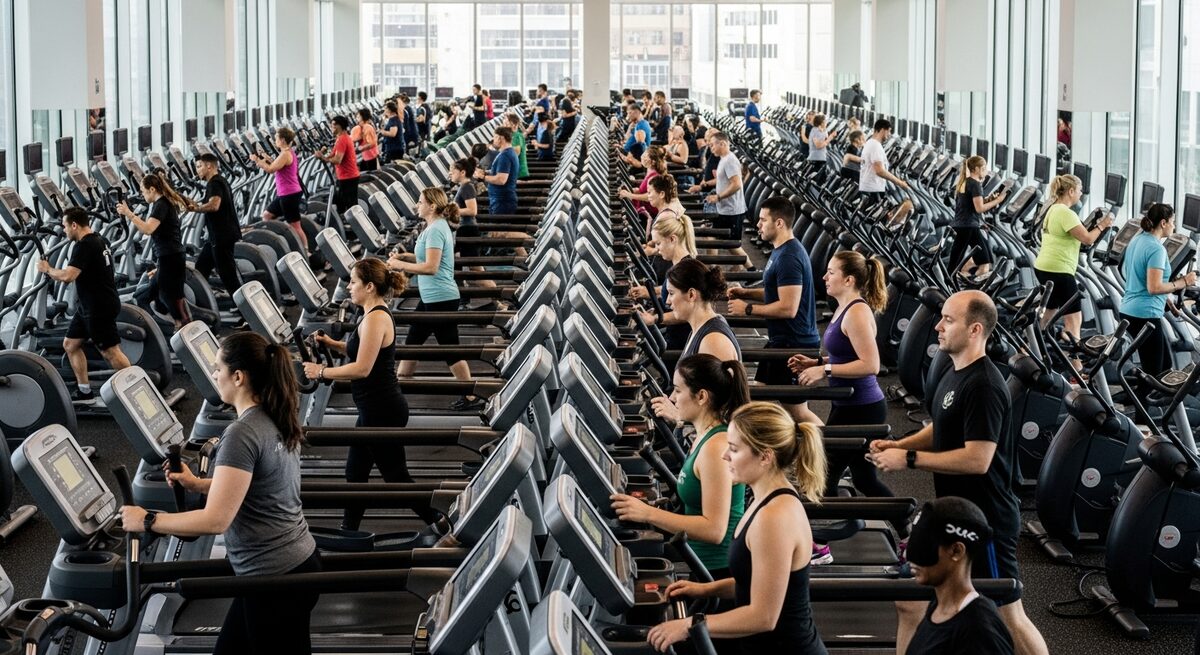
The Fitness Industry Is Booming
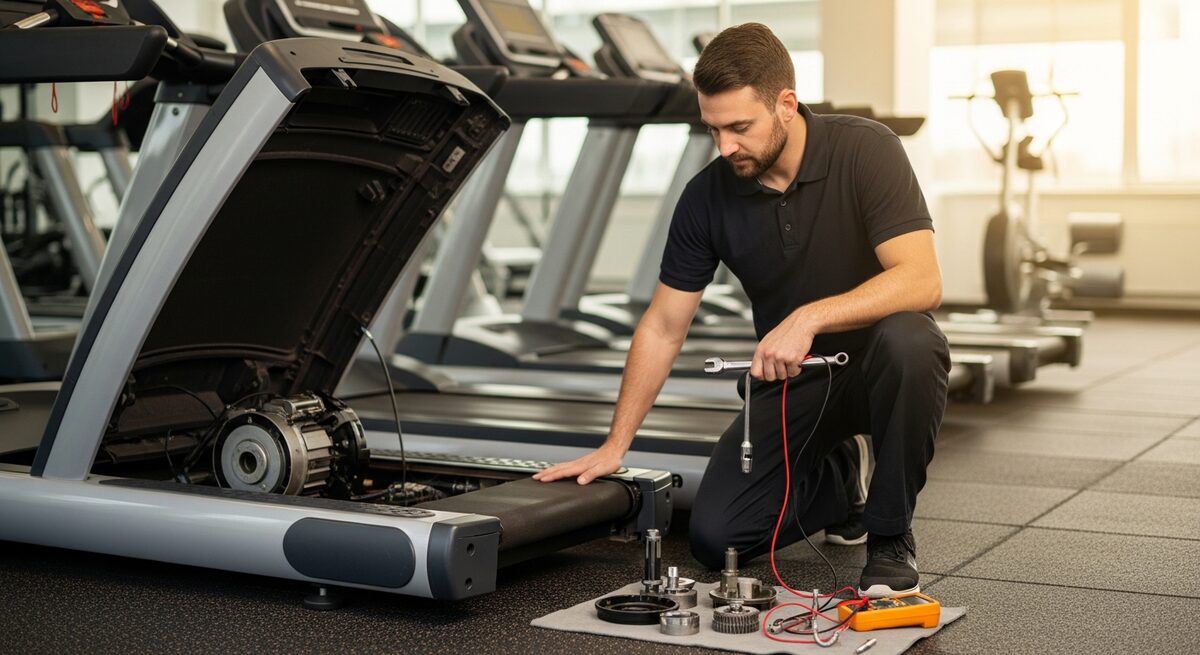
Right to Repair & the Independent Technician
Equipment Safety, Liability & Protecting the Investment
For Auto Techs & Skilled Problem Solvers
For Electricians
 Now reading
For HVAC Technicians
For Plumbers

For IT Support Specialists
From service calls to systems that move.
HVAC work teaches you to listen to a system, test before guessing, manage safety, and return equipment to reliable operation. Fitness equipment uses a different set of machines, but the professional habits are familiar.
Method matters more than a job title.
- Diagnostic reasoning: Use sequence-of-operation thinking to decide which condition to test next.
- Electrical controls: Understand relays, capacitors, motors, control signals, and measured operating conditions.
- Mechanical systems: Check bearings, fans, belts, clearances, vibration, and the relationship between parts under load.
A transition guide is not a job offer. Review the training, costs, and requirements before deciding whether this path fits.
The evidence and the boundary
You bring a service discipline. The equipment still has to be learned.
The BLS profile for heating, air conditioning, and refrigeration mechanics and installers covers installing, maintaining, and repairing climate-control equipment and describes work that calls for diagnostic skill and mechanical judgment.[1] NCFET does not present that occupation as a guaranteed pipeline; it shows where those habits can be useful while you learn a new equipment category.
Make the transition deliberately
A systems technician's next system
Fitness equipment service rewards technicians who can move between electrical controls, mechanical assemblies, operating conditions, and a customer’s description of the problem.
Your baseline
Diagnostics & PM routines
New systems
Drives, decks & resistance
Service habit
Test, restore, record
The five-skill bridge
Keep your method. Add the machine.
Here is the practical translation from your current work to fitness equipment service.
Diagnostic reasoning
You already do
Use sequence-of-operation thinking to decide which condition to test next.
In fitness equipment
Follow symptoms through a console, sensor, controller, motor, belt, or resistance mechanism instead of guessing from the noise.
Electrical controls
You already do
Understand relays, capacitors, motors, control signals, and measured operating conditions.
In fitness equipment
Build familiarity with AC/DC drives, treadmill motor control boards, speed feedback, and console communication.
Mechanical systems
You already do
Check bearings, fans, belts, clearances, vibration, and the relationship between parts under load.
In fitness equipment
Inspect decks, walking belts, rollers, pedals, cables, pivots, and alignment before they become safety or downtime problems.
Safety discipline
You already do
Work methodically around electrical energy, rotating equipment, refrigerants, tools, and jobsite hazards.
In fitness equipment
Apply the same care to moving surfaces, pinch points, elevated loads, guards, disconnects, and post-repair testing.
Customer service
You already do
Turn a technical diagnosis into a recommendation a facility manager or homeowner can act on.
In fitness equipment
Explain downtime, parts choices, maintenance intervals, and findings to gym operators in plain language.
What the work adds
Where your service habits show up
The strongest overlap is not a single part number. It is the habit of treating maintenance as a repeatable process instead of an emergency improvisation.
Preventive maintenance
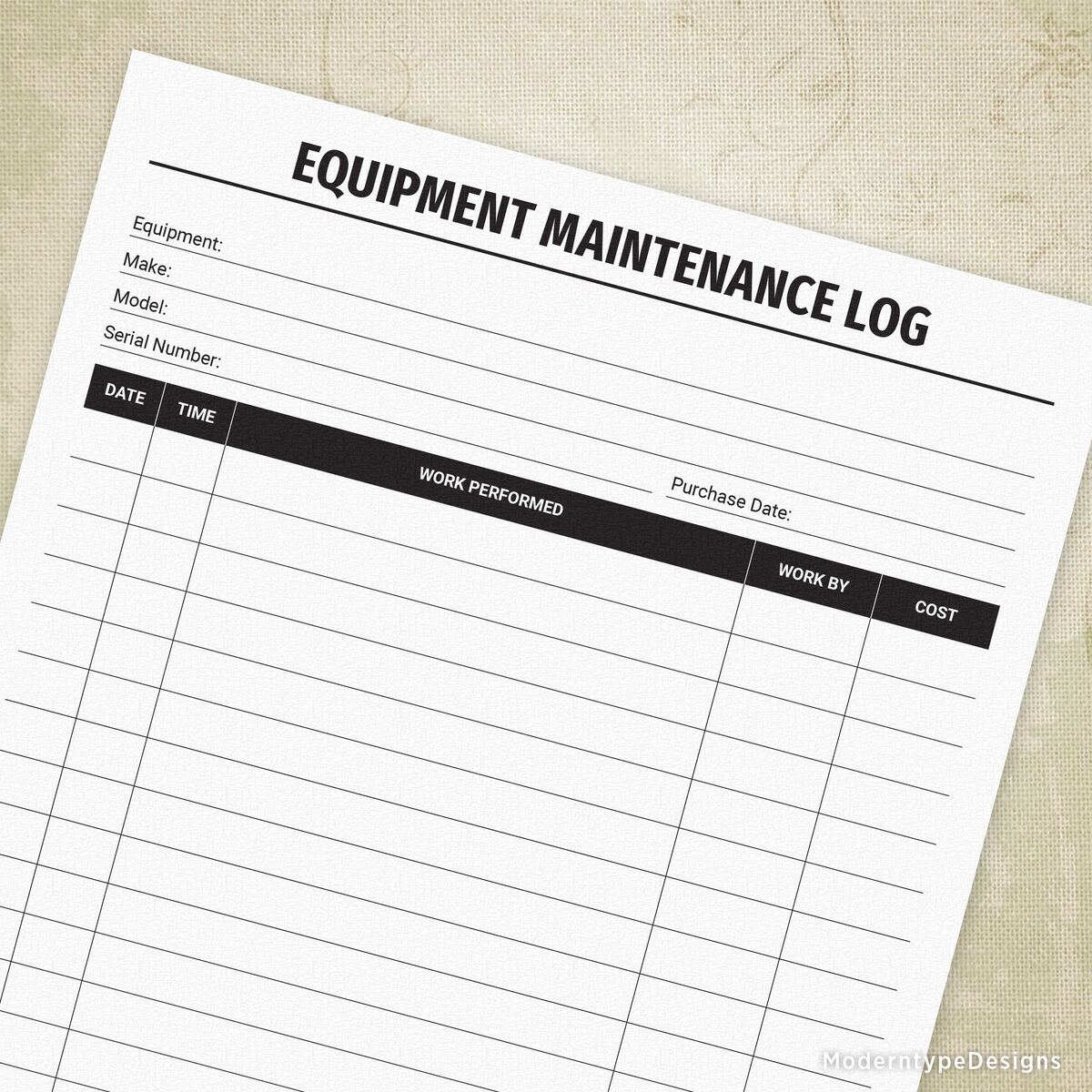
Inspect wear points, clean and adjust equipment, identify early symptoms, and leave a usable service record.
Fault isolation
Separate a power issue, control issue, sensor issue, and mechanical issue before recommending parts.
Facility relationships
Communicate arrival, findings, downtime, and follow-up clearly when a gym depends on equipment availability.
NCFET certification is training and credentialing. It does not guarantee employment, customers, income, or business success.
Choose your next step
Explore before you commit.
Read the requirements, review the pricing, and decide whether the NCFET pathway fits your goals.
References
All sources link to the original publication. Publication dates are shown where the publisher provides them.
- [1]U.S. Bureau of Labor Statistics. Occupational Outlook Handbook: Heating, Air Conditioning, and Refrigeration Mechanics and Installers — 2025.