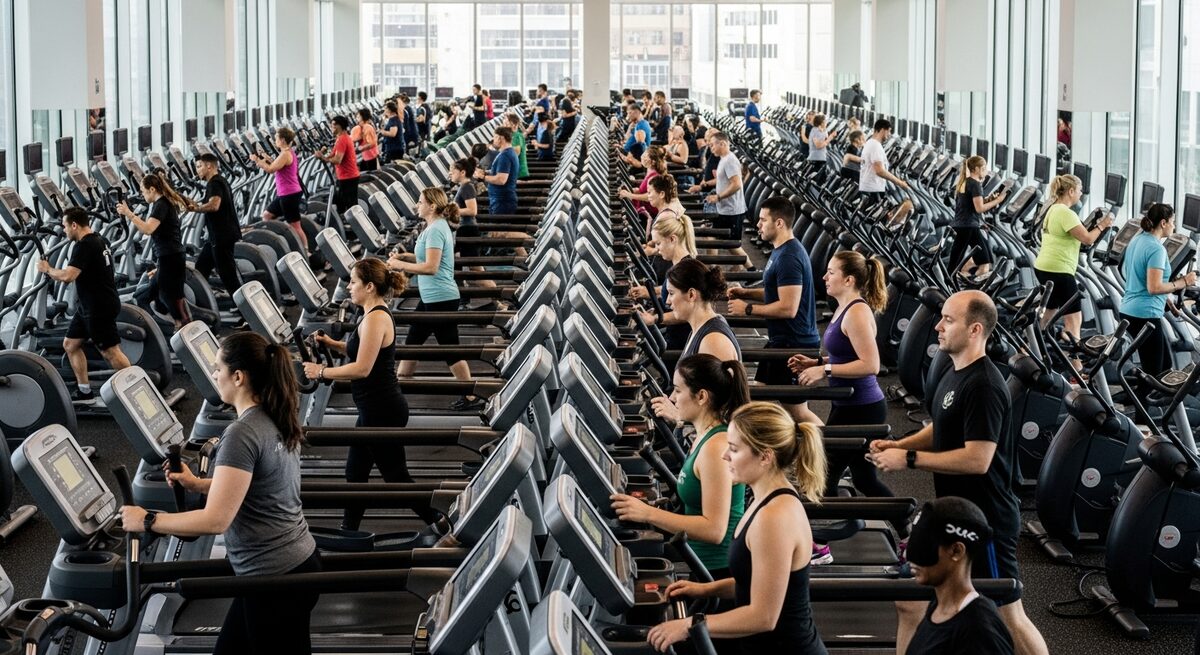
The Fitness Industry Is Booming
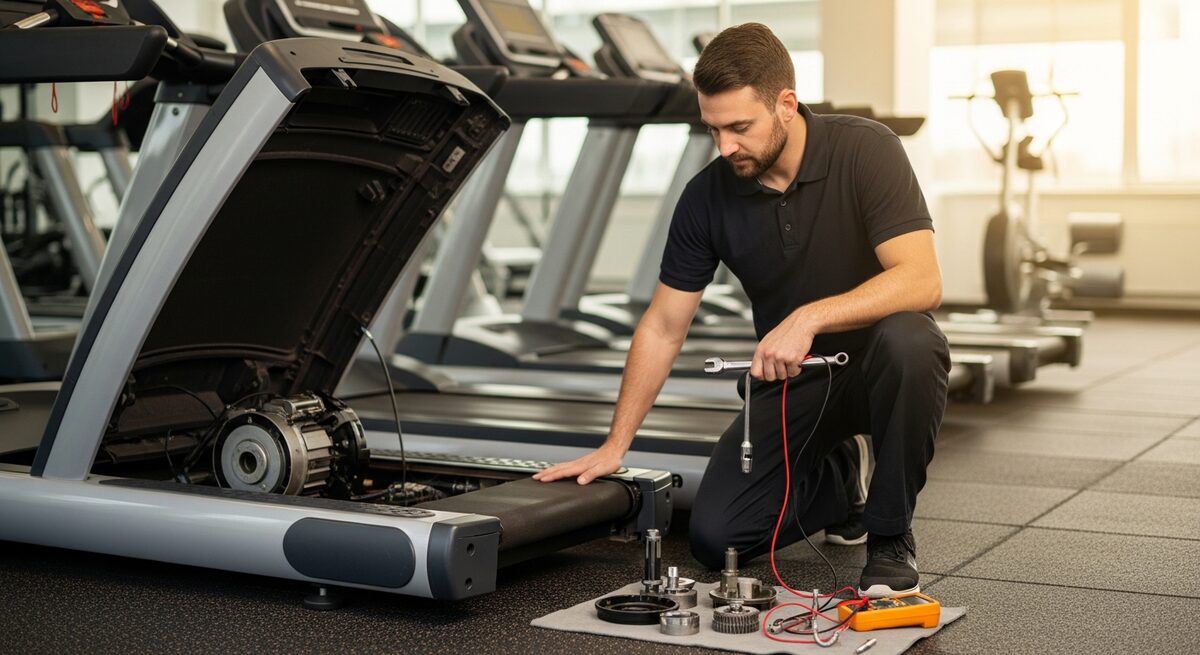
Right to Repair & the Independent Technician
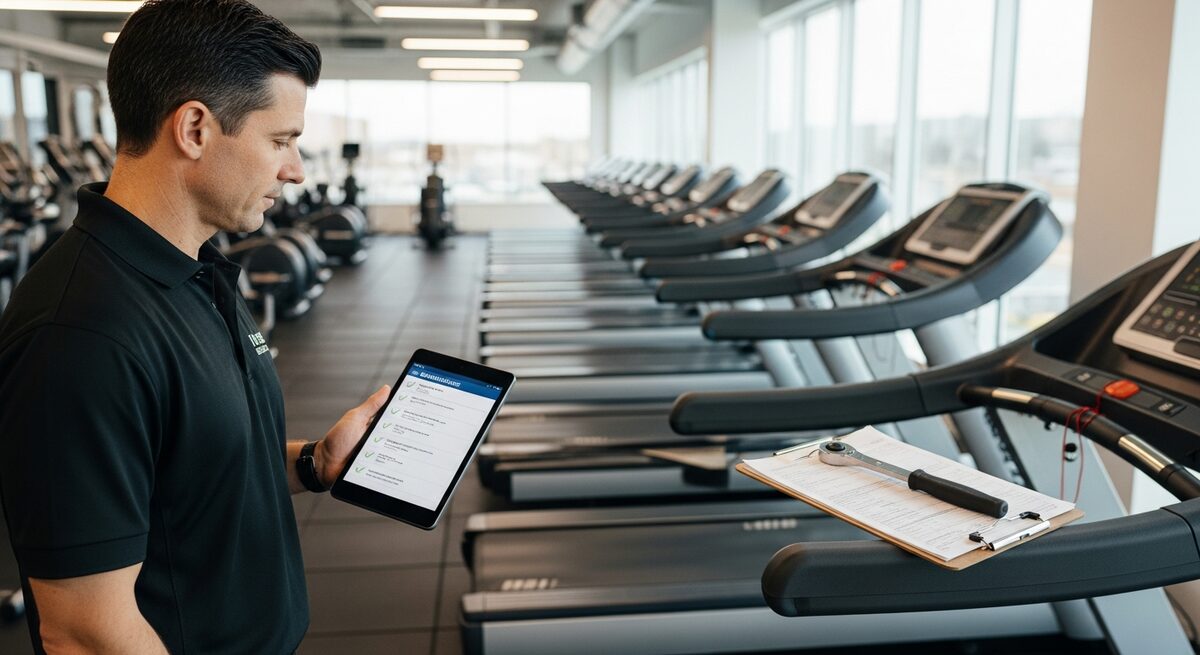
Equipment Safety, Liability & Protecting the Investment

For Auto Techs & Skilled Problem Solvers
For Electricians
For HVAC Technicians
For Plumbers
 Now reading
For IT Support Specialists
Troubleshooting is a portable craft.
You already know that the first symptom is not always the root cause. Fitness equipment adds motors, moving parts, sensors, and physical safety to that same core discipline: ask, observe, test, fix, verify, and explain.
Method matters more than a job title.
- Diagnostic reasoning: Reproduce a problem, reduce the variables, and test the most likely cause before escalating.
- Electrical awareness: Understand power, connections, signals, components, and the difference between a symptom and a failed device.
- Mechanical systems: Use precise procedures and respect dependencies when changing a system component.
A transition guide is not a job offer. Review the training, costs, and requirements before deciding whether this path fits.
The evidence and the boundary
You bring a service discipline. The equipment still has to be learned.
The BLS describes computer support specialists as providing technical assistance, answering questions, and resolving hardware and software problems for users in person, by phone, or electronically.[1] That combination of structured troubleshooting and human communication maps well to service work—but fitness equipment requires hands-on, equipment-specific training before anyone should work independently.
Make the transition deliberately
From tickets to service calls
The transition is not about pretending a console is a computer. It is about carrying over a reliable troubleshooting process while learning the physical systems that make fitness equipment move safely.
Your baseline
Symptoms, logs & root cause
New systems
Sensors, drives & mechanics
Service habit
Communicate & verify
The five-skill bridge
Keep your method. Add the machine.
Here is the practical translation from your current work to fitness equipment service.
Diagnostic reasoning
You already do
Reproduce a problem, reduce the variables, and test the most likely cause before escalating.
In fitness equipment
Trace a console error, speed fault, sensor issue, or intermittent shutdown through the physical equipment.
Electrical awareness
You already do
Understand power, connections, signals, components, and the difference between a symptom and a failed device.
In fitness equipment
Learn the safe fundamentals of power supplies, motor controllers, wiring harnesses, switches, and sensors.
Mechanical systems
You already do
Use precise procedures and respect dependencies when changing a system component.
In fitness equipment
Add hands-on fluency with belt tension, roller wear, lubrication, alignment, fasteners, and moving assemblies.
Safety discipline
You already do
Follow access controls, escalation rules, change records, and a verification step before closing a ticket.
In fitness equipment
Translate that discipline into physical isolation, equipment stability, guards, safe testing, and a documented return to service.
Customer service
You already do
Turn technical uncertainty into a calm explanation and a next action that a nontechnical user can follow.
In fitness equipment
Help gym staff understand the finding, the repair decision, the maintenance need, and the expected next step.
What the work adds
The hands-on layer to learn
The service mindset transfers. The machine-room realities do not come automatically; they are the part a focused curriculum and supervised practice should address.
Physical diagnosis
Observe noise, vibration, heat, resistance, alignment, and movement—not only codes on a display.
Repair evidence
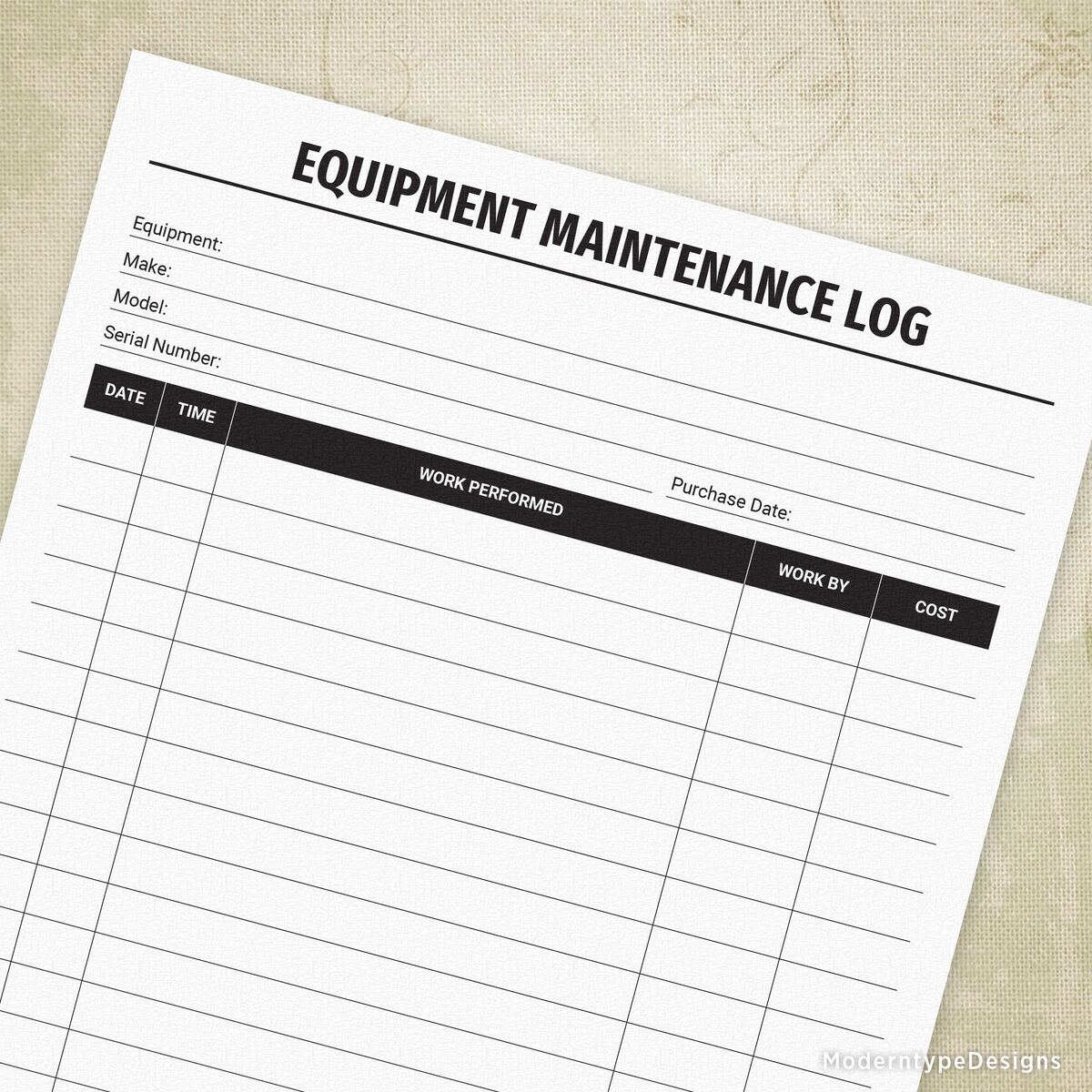
Record symptoms, measurements, parts, adjustments, and post-repair tests in language another technician can use.
Human handoff
Support a facility operator who needs a usable answer, not a dump of technical details or an unexplained parts list.
NCFET certification is training and credentialing. It does not guarantee employment, customers, income, or business success.
Choose your next step
Explore before you commit.
Read the requirements, review the pricing, and decide whether the NCFET pathway fits your goals.
References
All sources link to the original publication. Publication dates are shown where the publisher provides them.
- [1]U.S. Bureau of Labor Statistics. Occupational Outlook Handbook: Computer Support Specialists — 2025.