The Fitness Industry Is Booming
Right to Repair & the Independent Technician
Equipment Safety, Liability & Protecting the Investment

For Auto Techs & Skilled Problem Solvers
For Electricians
For HVAC Technicians
Now readingFor Plumbers

For IT Support Specialists
You already know how to find the failure.
A customer rarely describes the real fault in technical language. Plumbers learn to inspect, isolate, repair, protect the property, and explain the result. That service discipline is a strong starting point for a different kind of equipment.
Method matters more than a job title.
- Diagnostic reasoning: Use the customer’s description, visible evidence, and targeted tests to locate the actual source of a failure.
- Electrical awareness: Recognize when a service call includes electrical components, shutoffs, controls, and a need to verify before touching.
- Mechanical systems: Fit, adjust, seal, fasten, and inspect assemblies that must perform reliably under use.
A transition guide is not a job offer. Review the training, costs, and requirements before deciding whether this path fits.
The evidence and the boundary
You bring a service discipline. The equipment still has to be learned.
BLS describes plumbers, pipefitters, and steamfitters as installing and repairing piping and fixtures and notes that they work with tools, interpret specifications, and solve problems in varied settings.[1] Those are transferable work habits. They do not mean plumbing credentials automatically qualify someone to service fitness equipment; equipment-specific training and safe practice still matter.
Make the transition deliberately
A practical equipment transition
The common thread is hands-on service under real-world constraints. The new learning is the machine: motors, moving surfaces, resistance systems, electronics, and the service information that supports them.
Your baseline
Inspection & repair
New systems
Motion, load & controls
Service habit
Protect, explain, document
The five-skill bridge
Keep your method. Add the machine.
Here is the practical translation from your current work to fitness equipment service.
Diagnostic reasoning
You already do
Use the customer’s description, visible evidence, and targeted tests to locate the actual source of a failure.
In fitness equipment
Separate a belt, roller, cable, motor, sensor, or control problem before disassembling equipment unnecessarily.
Electrical awareness
You already do
Recognize when a service call includes electrical components, shutoffs, controls, and a need to verify before touching.
In fitness equipment
Learn the equipment-specific electrical fundamentals behind consoles, switches, sensors, drives, and emergency-stop circuits.
Mechanical systems
You already do
Fit, adjust, seal, fasten, and inspect assemblies that must perform reliably under use.
In fitness equipment
Apply that care to cable machines, pulleys, bearings, belt paths, linkages, frames, and resistance mechanisms.
Safety discipline
You already do
Control the work area, protect the customer’s property, and do not leave a partially safe repair behind.
In fitness equipment
Account for moving parts, pinch points, stored energy, guards, equipment stability, and a documented operational test.
Customer service
You already do
Set expectations, explain the cause, and leave the customer with a clear maintenance or repair recommendation.
In fitness equipment
Help an operator decide what can wait, what needs attention now, and how to keep a service history.
What the work adds
What changes—and what does not
You would be learning a new category of machines, not starting over as a professional. NCFET is designed to make that category explicit.
The equipment
Replace piping and fixtures with treadmills, bikes, ellipticals, strength equipment, cables, and moving assemblies.
The diagnostic record
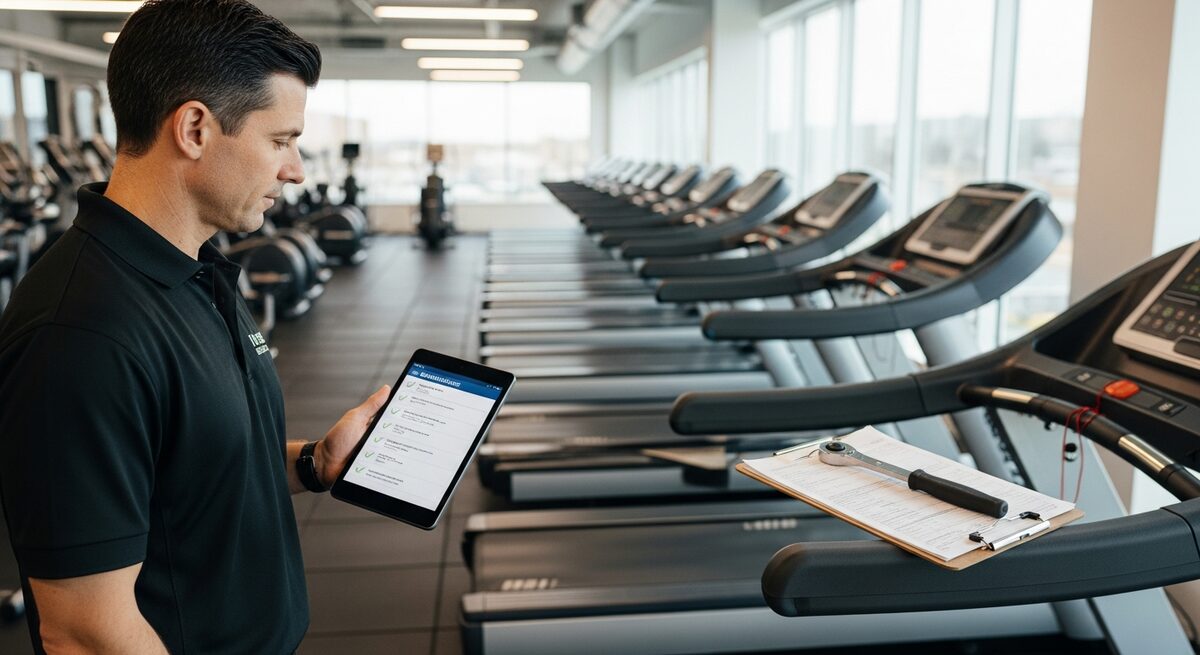
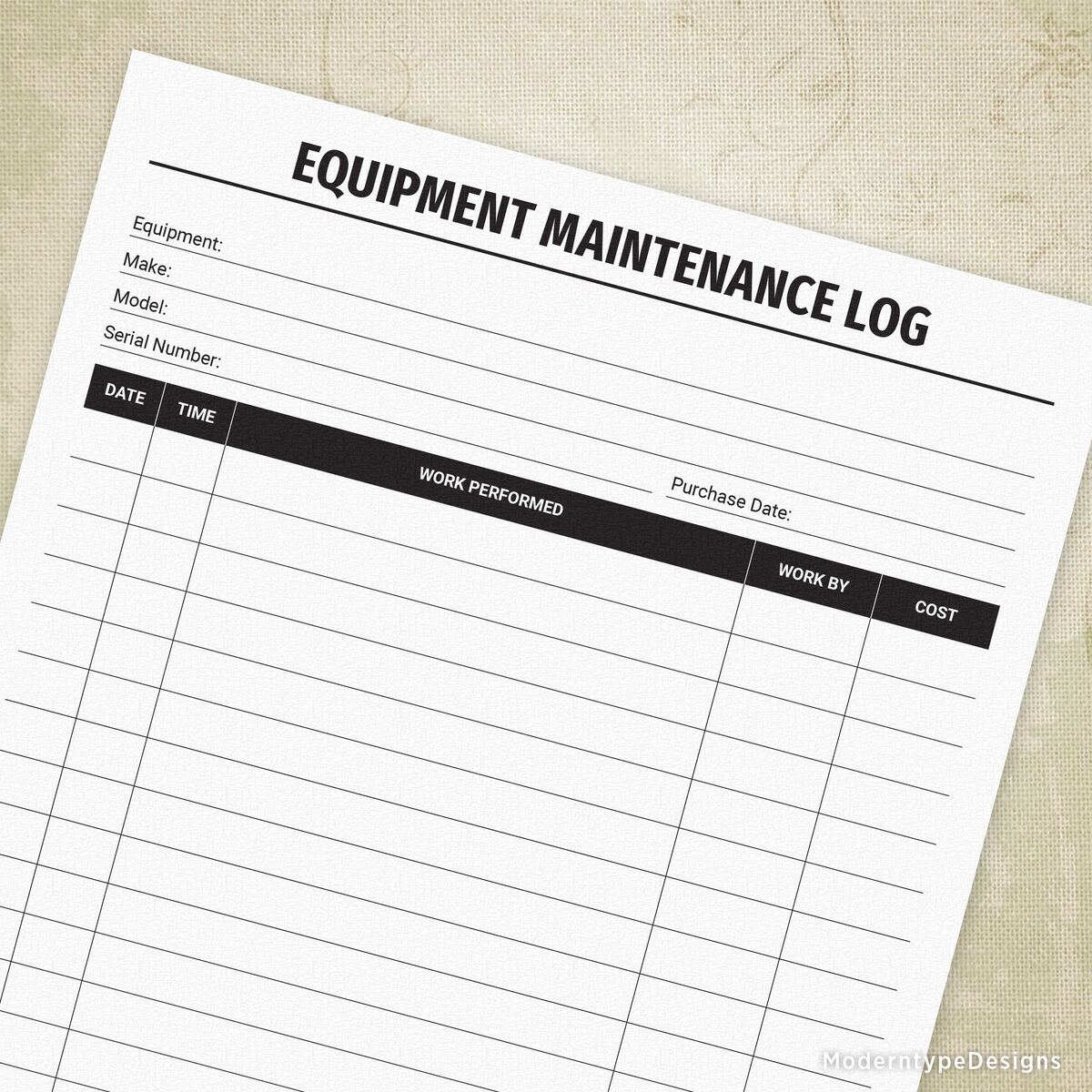
Capture symptoms, tests, parts, adjustments, safety checks, and the result so the next visit starts with evidence.
The customer setting
Work around members, staff, occupied spaces, schedules, and the operational cost of equipment downtime.
NCFET certification is training and credentialing. It does not guarantee employment, customers, income, or business success.
Choose your next step
Explore before you commit.
Read the requirements, review the pricing, and decide whether the NCFET pathway fits your goals.
References
All sources link to the original publication. Publication dates are shown where the publisher provides them.
- [1]U.S. Bureau of Labor Statistics. Occupational Outlook Handbook: Plumbers, Pipefitters, and Steamfitters — 2025.